There is an undeniable magic that settles over Central Java in the early hours before dawn. As mist clings softly to the lush valleys surrounding Yogyakarta, the silhouette of ancient stone stupas begins to emerge against a soft orange sky. Standing near the legendary Borobudur Temple as the first light touches its carved relief panels is an experience that transcends ordinary travel.
Yogyakarta, fondly known as Jogja, serves as the cultural heartland of Java and the ultimate gateway to Indonesia’s most iconic UNESCO World Heritage sites. From the grand sunrise at Borobudur to the soaring spires of Prambanan, exploring this region offers a deep journey through history, spirituality, and timeless Javanese hospitality.
How to Travel from Yogyakarta to Borobudur Temple
Borobudur Temple is located in the Magelang Regency of Central Java, approximately 40 kilometers northwest of downtown Yogyakarta. Traveling from Yogyakarta to Borobudur is straightforward, with several convenient transport options depending on your preference and schedule:
Private Tour or Dedicated Driver
Booking a Yogyakarta private tour or hiring a private driver through a trusted Yogyakarta travel agency is the most popular choice for travelers. It offers door-to-door comfort, flexible departure times for an early Borobudur sunrise tour, and seamless travel between multiple sites in a single day.
Damri Shuttle Bus
Budget-conscious travelers can catch the official Damri shuttle mini-buses departing regularly from YIA (Yogyakarta International Airport) or downtown points like Bank Indonesia near Malioboro directly to the Borobudur terminal.
Car or Scooter Rental
For adventurous travelers, renting a scooter or self-drive vehicle allows you to explore the scenic rural roads, traditional villages, and surrounding rice fields at your own pace.
Essential Packing List: What to Bring for Your Temple Tour
Visiting ancient open-air monuments in a tropical climate requires a bit of thoughtful preparation. Here are the essential items to carry in your daypack:
Modest and Comfortable Clothing
Respectful attire is essential when visiting sacred sites in Indonesia. Wear lightweight, breathable clothing that covers your shoulders and knees.
Sun Protection
The stone platforms can absorb intense heat by mid-morning. Be sure to bring a wide-brimmed hat, sunglasses, and reef-safe sunscreen.
Sturdy Walking Shoes
You will be doing plenty of walking over uneven stone steps and paved pathways. Comfortable sneakers or supportive walking sandals are highly recommended.
Refillable Water Bottle
Stay hydrated throughout your tour while helping reduce single-use plastic waste around the heritage parks.
Camera and Extra Power Bank
With endless panoramic views, carved bas-reliefs, and stunning architecture, your phone or camera battery will work overtime.
The Optimal Season and Best Time to Visit Borobudur
While Borobudur Temple Java is open year-round, timing your visit enhances your overall experience significantly:
Best Time of Day
Early morning remains the absolute best time to visit Borobudur. Arriving at opening time allows you to beat the peak midday heat and avoid large student groups. Watching the morning sun illuminate the mist around Mount Merapi and the Menoreh Hills is a bucket-list spectacle.
Best Time of Year
The dry season between April and October provides brilliant blue skies, lower rainfall, and ideal conditions for outdoor temple tours and photography.
Latest Updates, Rules, and Ticket Guidelines for Borobudur
To preserve the delicate 8th-century volcanic stones, the Indonesian government and temple management have implemented updated conservation guidelines and visitor regulations:
Climbing to the Upper Monument Structure
Access to climb the physical temple structure (up to the stupa terraces) is strictly limited to a daily quota of around 1,200 visitors per day to prevent structural wear. Guests who wish to walk up the temple must reserve a special climbing ticket in advance.
Special Upanat Sandals and Certified Local Guides
To protect the ancient stones from friction, all visitors climbing the structure are required to wear special woven sandals called Upanat, which are provided on-site. Every climbing group is also accompanied by an official certified local guide who shares deep historical and architectural insights.
Grounds-Only Exploration Option
Visitors who prefer not to climb the stairs or who miss the upper structure quota can purchase a regular ground-park ticket. This allows full access to explore the vast courtyard gardens, admire the temple from below, and visit the on-site museums.
Operating Hours
The Borobudur Temple park grounds are typically open daily from 6:30 AM to 5:00 PM. Climbing sessions run in scheduled hourly entry slots throughout the day, usually starting from 8:30 AM.
Recent Presidential Visit: President Prabowo and President Macron at Borobudur
Borobudur Temple continues to serve as an international diplomatic landmark. In a historic state visit on May 29, 2025, Indonesian President Prabowo Subianto hosted French President Emmanuel Macron and First Lady Brigitte Macron at Candi Borobudur.
A Global Symbol of Civilization and Tolerance
During their tour across the monument, President Prabowo highlighted Borobudur as a masterpiece of human civilization and a UNESCO World Heritage site rich in history and spiritual meaning. The visit underscored mutual commitments between Indonesia and France to promote cultural preservation, heritage diplomacy, and global tolerance.
Strengthening International Heritage Partnerships
Following this high-profile presidential tour, joint partnerships between Indonesian cultural authorities and international conservation bodies have expanded. These efforts focus on advancing sustainable tourism management, elevating museum facilities, and employing cutting-edge preservation techniques for the Borobudur precinct.
Exploring Nearby Temples Around Borobudur
The fertile Kedu Plain surrounding Borobudur is rich with smaller, fascinating Buddhist temples that form a straight geographical line with the main monument:
Pawon Temple
Located just 1.5 kilometers east of Borobudur, this charming, compact temple features exquisite relief carvings and historically served as a place to keep sacred incense during religious processions.
Mendut Temple
Situated about 3 kilometers from Borobudur, Mendut Temple predates Borobudur itself and houses three magnificent, remarkably preserved stone statues, including a three-meter-tall seated Buddha.
Kalasan Temple
Located closer to the Yogyakarta-Solo highway, Kalasan Temple is one of the oldest Buddhist temples in the region, famous for its intricate relief carvings coated in ancient stone-preservative plaster known as Vajralepa.
Candi Prambanan: The Majestic Hindu Masterpiece in Jogja
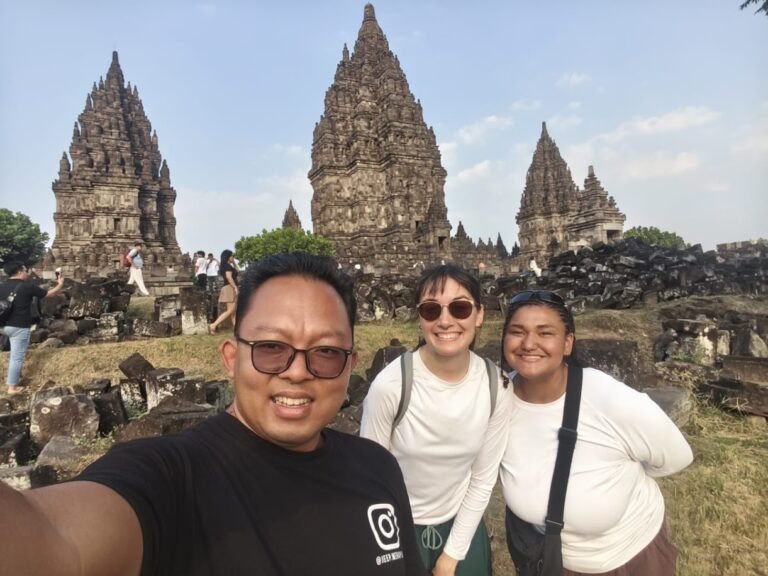
No temple tour package Jogja is complete without visiting Prambanan Temple, the largest and most magnificent Hindu temple complex in Indonesia. Located just 17 kilometers east of Yogyakarta city center:
Architectural Grandeur
Built in the 9th century, Prambanan features towering, pointed stone spires dedicated to the Trimurti: Brahma, Vishnu, and Shiva. The central Shiva temple soars 47 meters into the sky, adorned with detailed stone reliefs depicting the epic Ramayana legend.
Sunset at Prambanan
While Borobudur is world-famous for its sunrise views, Prambanan is renowned for its breathtaking golden-hour sunsets, where the towering spires stand in dramatic silhouette against the evening sky.
Ramayana Ballet Performance
In the evening, visitors can watch the legendary Ramayana Ballet performed live on an open-air stage with the illuminated spires of Prambanan serving as a magnificent real-life backdrop.
Creating Your Ideal Yogyakarta Tour Package
Combining cultural heritage with scenic natural adventures makes Yogyakarta one of Southeast Asia’s most versatile travel destinations:
A Typical 3-Day Jogja Itinerary
Day 1: Arrive in Jogja, explore the Sultan Palace (Kraton), Water Castle (Tamansari), and enjoy sunset at Prambanan Temple.
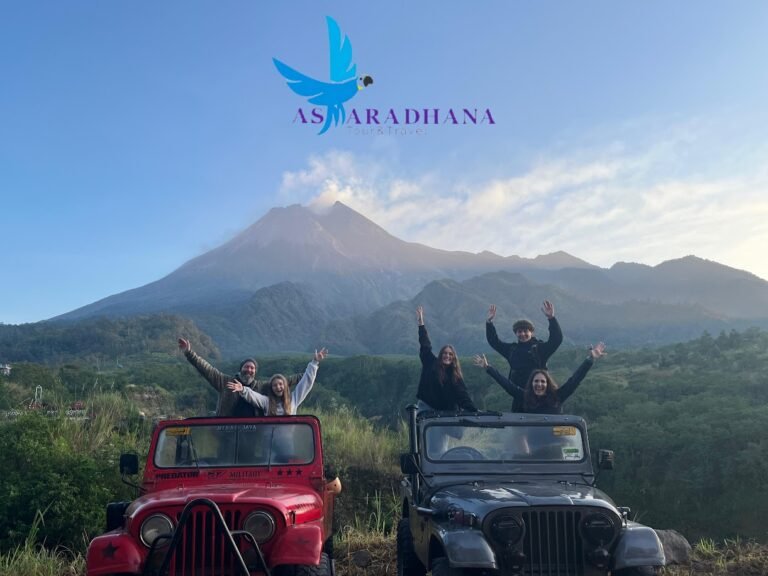
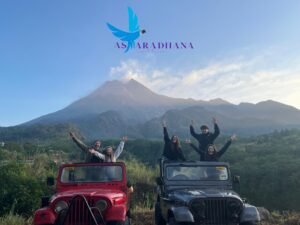
Day 2: Early morning Borobudur sunrise tour, explore Mendut and Pawon temples, followed by a thrilling Merapi jeep lava tour or Jomblang cave tubing adventure.
Day 3: Souvenir shopping along Malioboro Street and tasting authentic local delicacies like Gudeg before departure.
Begin Your Heritage Adventure
From the serene stone stupas of Borobudur to the soaring spires of Prambanan, Yogyakarta offers a timeless travel experience filled with history, warmth, and natural beauty. Contact our team of travel specialists today to start crafting your personalized Yogyakarta tour package!